
Exclusive: When must CAF hand Senegal the AFCON 2025 trophy and $10m prize money? Legal adviser explains
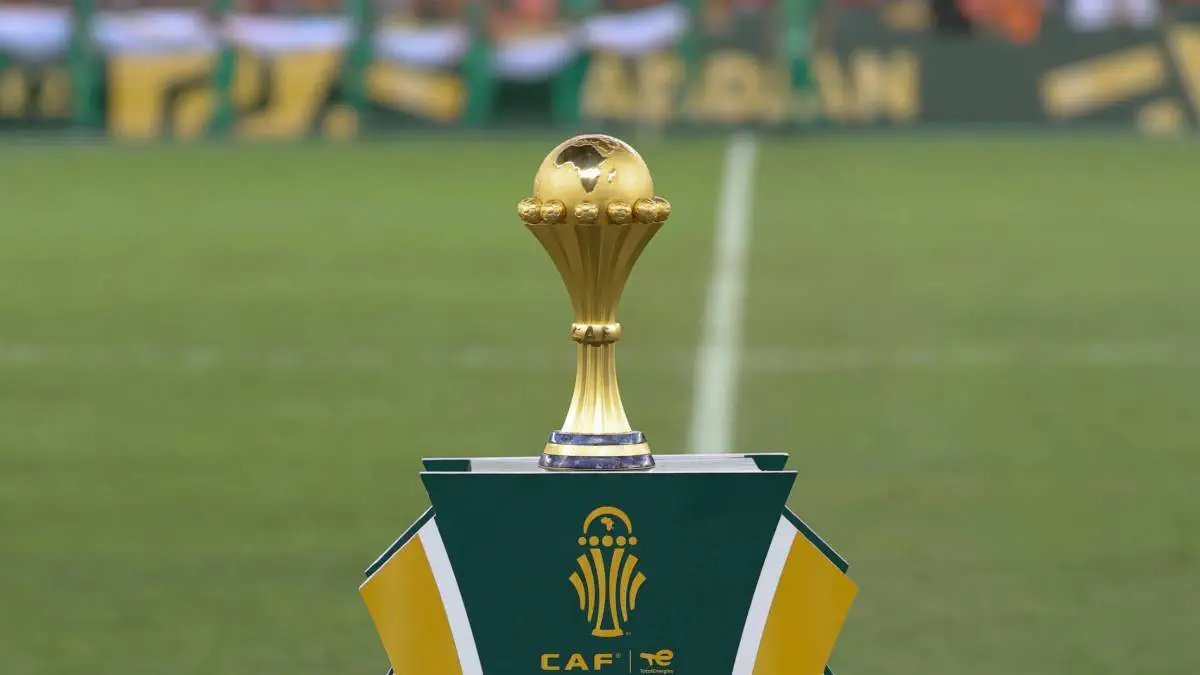
Following the Court of Arbitration for Sport’s (CAS) landmark decision reinstating Senegal as Africa Cup of Nations champions, millions of fans across the continent are asking one urgent question: how quickly must the Confederation of African Football (CAF) hand over the trophy, medals, and $10 million winner's prize money—and can Morocco legally freeze the process?
In the third installment of her exclusive interview with Foot Africa, independent sports law adviser Sarah Zahraoui-Sekour broke down the strict enforcement rules governing CAS awards, revealing why an announced appeal to Switzerland changes nothing on the ground.
Is CAF legally forced to enforce the CAS award immediately?
Speaking exclusively to Foot Africa, Zahraoui-Sekour stressed that CAS verdicts take effect immediately upon notification, leaving CAF with no legal room to delay compliance.
"It’s a very practical question, and the law answers it more simply than one might expect," she said. "Under Article R59 of the CAS Code, an award is enforceable from notification of its operative part, even before the reasons are delivered. Here, CAS went further: the full award, including legal reasoning, was sent to the parties on 24 November."
She confirmed that the decision is "final and binding upon the parties"—including CAF—and requires prompt execution.
"Unless the award itself sets a deadline, the standard is compliance in good faith, without undue delay. CAF has said that it respects the award and will take the necessary measures to implement it," Zahraoui-Sekour noted, referencing CAF’s official statement acknowledging the verdict.
Can Morocco’s Swiss appeal freeze the trophy and $10 million payout?
Despite the Royal Moroccan Football Federation (FRMF) declaring its intention to reject the ruling and pursue all legal avenues, Zahraoui-Sekour made clear that simply announcing or filing an appeal in Switzerland does not halt implementation.
"Intending to appeal changes nothing," she told Foot Africa. "Under Article 103 of the Federal Supreme Court Act, an appeal does not, as a rule, suspend the award. The Tribunal may grant suspensive effect on request, but it rarely does. A party that wants to pause implementation must therefore ask for it, and quickly. An announced intention is not enough."
This aligns with her earlier legal breakdown explaining why Morocco faces a narrow legal route before the Swiss Federal Tribunal.
What happens now to the trophy, medals, and $10m prize money?
While the 24 November CAS media release and CAF’s initial response confirmed the restoration of Senegal’s 1-0 on-field victory, neither document publicly detailed the logistics of transferring the physical trophy, medals, or the $10 million AFCON winner's prize money.
Zahraoui-Sekour explained how those follow-up steps are governed:
Official records updated immediately: "The award restores the on-field result, and CAF’s official records and roll of honour must reflect it," she said—a shift that has already impacted Morocco’s latest FIFA world ranking
Publication of the full award: "The full award has not been published yet. Under Article R59, it will be, unless the parties agree to keep it confidential. It may well contain specific directions on these points, including deadlines."
CAF’s regulatory obligations: "Where it is silent, these are follow-up measures that CAF must take under its own regulations," she added.
What if Morocco eventually wins in Switzerland?
Addressing the hypothetical scenario in which the Swiss Federal Supreme Court sets the CAS ruling aside months from now, Zahraoui-Sekour confirmed that financial and administrative adjustments remain reversible.
"Nothing is irreversible," she concluded. "If the Tribunal were to set the award aside, the case would return to CAS, and the records, like any payments, would follow the new outcome. In other words, an award is respected while it is challenged, and corrected if the challenge succeeds."



Africa
Today at 11:38


AFCON
Today at 04:00

Africa
Yesterday at 11:20

AFCON
Yesterday at 08:37
Africa
26 November 2026

Africa
26 November 2026
Africa
25 November 2026
AFCON
Today at 04:00

AFCON
13 November 2026
AFCON
13 November 2026
Interviews
12 November 2026

AFCON
10 November 2026