


Premier League: A record nine new managers for the 2026-2027 season
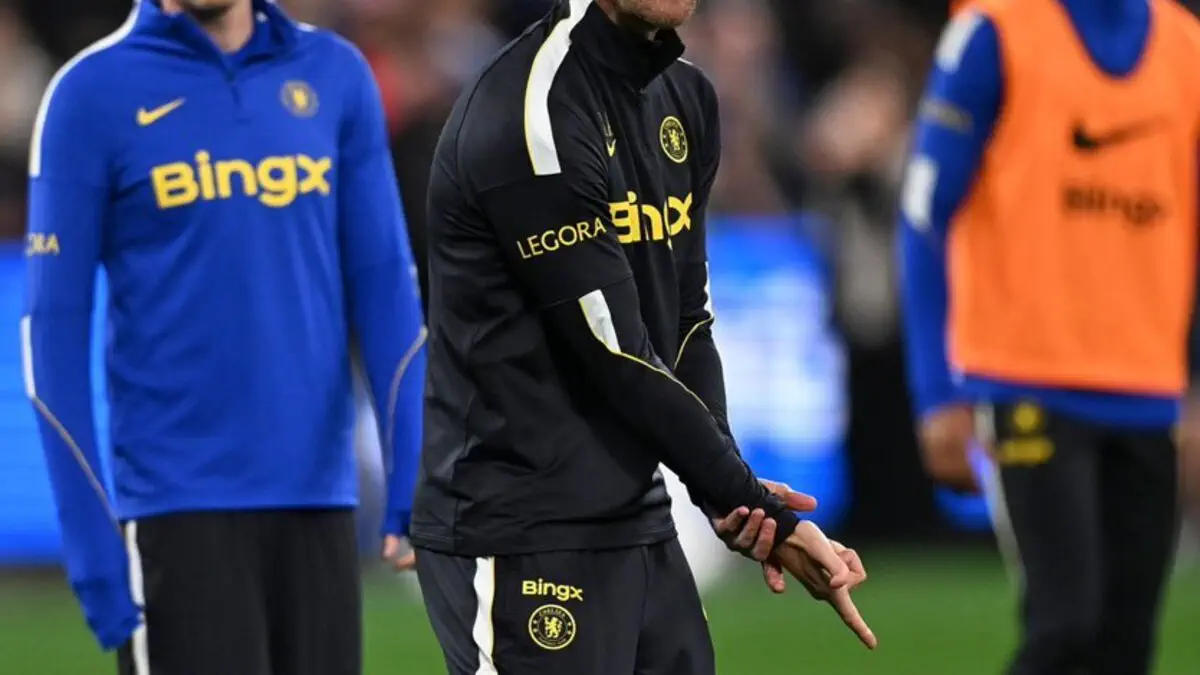
Never before has the Premier League witnessed such upheaval on the touchlines ahead of a season. For the 2026-2027 campaign, nine clubs will kick off with a new permanent manager—a record since the league’s inception in 1992. More than just a game of musical chairs, this sweeping change signals the end of an era dominated by iconic figures and opens a new chapter in English football history.
English football is gearing up for a season like no other. Just days before the Premier League 2026-2027 gets underway, nine of the top-flight’s twenty clubs have changed their permanent manager—nearly half the league. This unprecedented number highlights a profound shift on English benches and reflects many clubs’ desire to begin a new cycle.
This sweeping movement affects title contenders, European hopefuls, and survival battlers alike. Above all, it marks a generational shift among the tacticians set to shape the Premier League in the coming years.
The giants get a makeover
Among the most striking changes is at Liverpool. After Arne Slot’s departure, the Reds handed their project to Spaniard Andoni Iraola, whose recent work in England has been widely praised.
The shockwaves are even greater at Manchester City. After more than a decade of dominance, Pep Guardiola has stepped down, ending one of the most commanding eras in English football history. To succeed him, the Citizens have turned to Enzo Maresca, Guardiola’s former assistant, tasked with continuing his mentor’s legacy.
At Chelsea, the London club’s hierarchy have chosen Xabi Alonso, whose reputation has soared in recent years. The former Spanish midfielder will be expected to return the Blues to the thick of the trophy hunt.
With Matthias Jaissle’s appointment at Newcastle, all the major clubs involved have now confirmed their new managers. From powerhouses like Liverpool, Manchester City, and Chelsea to ambitious sides such as Bournemouth, Crystal Palace, and Fulham, the Premier League presents a thoroughly renewed look.
A wave of renewal sweeps the entire Premier League
The shake-up isn’t limited to the league’s heavyweights. Several other clubs have also opted to start a new chapter. Ipswich Town, newly promoted to the top flight, along with Crystal Palace, Bournemouth, Nottingham Forest, and Fulham, all kicked off the season with a new permanent manager. In total, nine of the Premier League’s twenty clubs changed their head coach before the 2026-2027 campaign—a record since the competition began. This widespread overhaul demonstrates the leadership’s intent to rethink their sporting projects in a league where expectations for results have never been higher.
The end of English football’s “godfathers”
The coming season carries enormous symbolic weight. For the first time since 1985-1986, none of the five managers who have left a lasting mark on English football will be on a Premier League bench: Sir Alex Ferguson, Arsène Wenger, José Mourinho, Jürgen Klopp, and Pep Guardiola.
For nearly forty years, these managers shaped the identity of the league through fierce rivalries, tactical innovations, and a haul of trophies. Their simultaneous absence definitively closes one of the most illustrious chapters in Premier League history.
A new generation under pressure
This transition also paves the way for a new generation of managers. Mostly younger, bringing fresh ideas and renewed tactical approaches, they’ll have to prove themselves quickly in a league where the demands have never been higher.
In an environment marked by ever-intensifying competition, every result will be under the microscope. While some managers hope to etch their names into history, others already know their margin for error will be razor-thin.
More than a simple reshuffle of the benches, the 2026-2027 season could mark the start of a new era for the Premier League. After decades shaped by a handful of legendary figures, English football is about to write an unprecedented chapter in its story—with new faces who may well become the giants of tomorrow.


Africa
24 September 2026
Africa
24 September 2026

Europe
24 September 2026
AFCON
24 September 2026

Europe
22 September 2026