


The 2026 World Cup’s biggest lessons: From tech drama and Trump's intervention to record-breaking superstars


Sunday evening’s highly anticipated final between Spain and defending champions Argentina will officially close the curtain on the largest and most ambitious tournament in FIFA history.
When the final whistle blows at MetLife Stadium, it will mark the end of an unprecedented 104 match marathon spread across the United States, Canada, and Mexico over six weeks.
The expanded 2026 edition delivered incredible on-pitch drama, unforgettable comebacks, and stunning individual brilliance. However, the tournament was also heavily shadowed by intense political controversies and fierce debates over technological interventions and commercialization.
Here are the biggest takeaways from the historic 2026 World Cup:
The superstars showed up
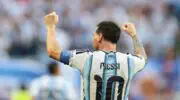
The race for the Golden Boot transformed into a spectacular shootout between the world's absolute elite. Global icons like Kylian Mbappé, Lionel Messi and Erling Haaland, all left their mark on the tournament.
Mbappé currently leads the scoring charts with a staggering 10 goals pushing his all time World Cup tally to 22. Not to be outdone, Messi heads into the final with 8 goals in this edition raising his legendary total to 21.
Technology kills the joy
The integration of advanced officiating technology became the tournament's most polarizing topic. VAR and the newly implemented sensor equipped "smart ball" were at the center of massive controversies, most notably ruling out crucial goals for Germany, Croatia and Egypt.
Croatia suffered a devastating blow when the smart ball's microchip detected a microscopic touch by Igor Matanovic ruling out a dramatic late equalizer from Josko Gvardiol against Portugal.
The incident prompted a bitter response from Croatian manager Zlatko Dalic who resigned shortly after declaring, "All these decisions strip away the sheer joy of football"
The commercialization of hydration
FIFA's mandated mid-half hydration breaks faced intense backlash from traditionalists, former players and fans. Originally marketed as a necessary player safety measure to combat the brutal North American summer heat, the stoppages quickly morphed into something else entirely.
Managers blatantly used the breaks as tactical timeouts to redraw formations while broadcasters instantly exploited the pauses for highly lucrative television commercial breaks.
It remains to be seen if FIFA will retain this controversial feature in future tournaments.
Trump's unprecedented intervention
Donald Trump did not attend any matches prior to the final but his presence loomed large over the knockout stages.
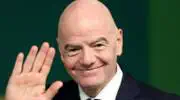
The political sphere directly collided with the pitch when Trump publicly announced he had personally contacted FIFA President Gianni Infantino to demand a review of US Men's National Team striker Folarin Balogun's suspension ahead of their Round of 16 clash with Belgium.
FIFA subsequently cleared Balogun to play insisting their disciplinary committees operate with complete independence.
However, the sudden reversal immediately sparked global outrage and intense questions regarding direct political interference in the sport's governing body.



World Cup 2026
21 July 2026
World Cup 2026
21 July 2026
World Cup 2026
21 July 2026
World Cup 2026
21 July 2026
Europe
Today at 09:41
Transfers
Today at 07:07

Europe
Today at 06:24
Europe
Yesterday at 17:39
World Cup 2026
25 September 2026
World Cup 2026
24 September 2026
Ballon d'Or
24 September 2026
Africa
23 September 2026
Africa
24 September 2026
Africa
24 September 2026
Europe
24 September 2026
AFCON
24 September 2026

Europe
22 September 2026