
How the Ballon d’Or is made, from the workshop to the winner’s hands!
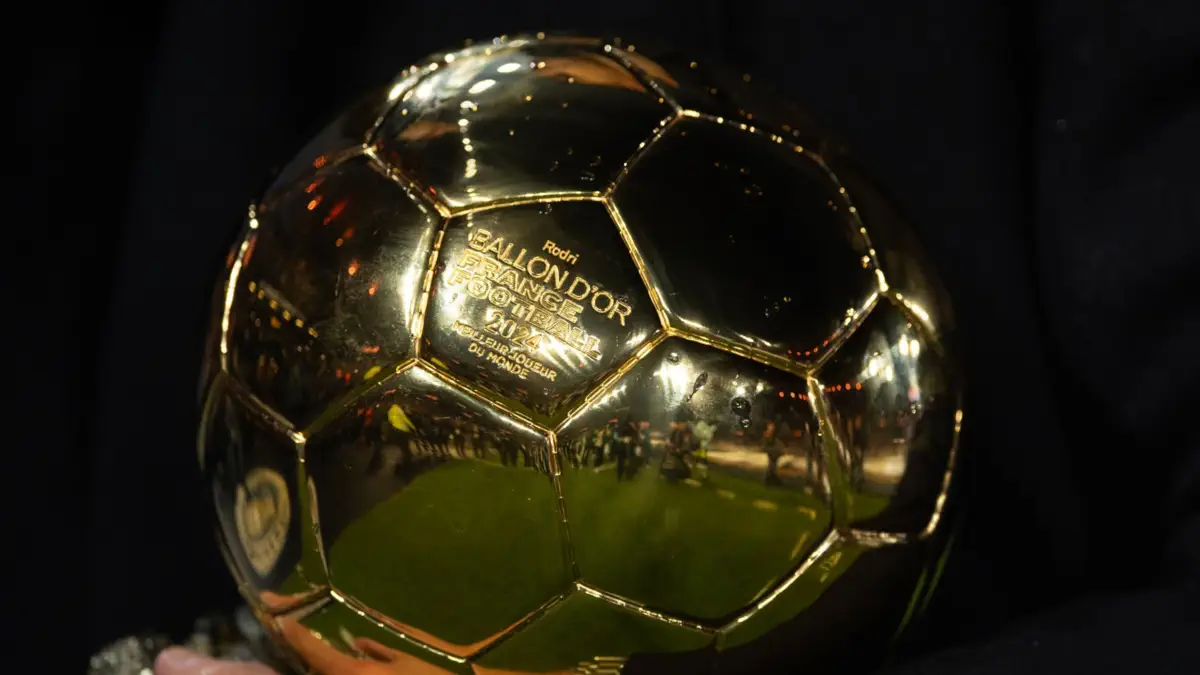
The Ballon d'Or trophy is not made of solid gold, despite its name. The iconic golden ball is actually crafted from two brass discs that are welded together and then coated with a layer of gold plating. The manufacturing process is handled by the French jewelry house Mellerio dits Meller, which has been responsible for creating the trophy since the award's inception in 1956. The entire production is a meticulous artisan process that takes approximately 100 hours of work and begins about six months before the trophy is delivered.
The Manufacturing Process
The creation of the trophy involves several precise steps. Artisans start by shaping brass discs into two hemispheres using a technique called "repoussé," which are then joined by welding. After the sphere is formed, an engraver hand-draws the seams of the leather elements to give it the appearance of a soccer ball. The ball is then mounted onto a unique base made from pyrite, a mineral also known as "fool's gold," which is selected each year to ensure every trophy has a distinct base. Finally, after extensive polishing, the trophy receives its gold plating and is engraved with the France Football logo and the winner's name.
read more: the Ballon d'Or race: The journey of decline continues.. How did Sadio Mané's fortunes change between 2022's runner up and a late rank in 2026?
Dimensions, Weight, and Value
The finished trophy is substantial in size and weight. It stands approximately 31 centimeters tall, including the base, and weighs around 12 kilograms (about 26.6 lbs). The ball itself has a diameter of roughly 23 centimeters. If the ball were made of solid gold, it would weigh an estimated 123 kilograms, which would be impractical for a winner to lift during a celebration. While the raw materials are valued at around €3,000, the craftsmanship and labor bring the estimated value of the trophy to approximately €500,000.



Africa
Yesterday at 16:43
Exclusive
17 October 2026

Africa
14 October 2026
Europe
12 October 2026

Interviews
06 October 2026