


UEFA issues new guidelines for VAR use
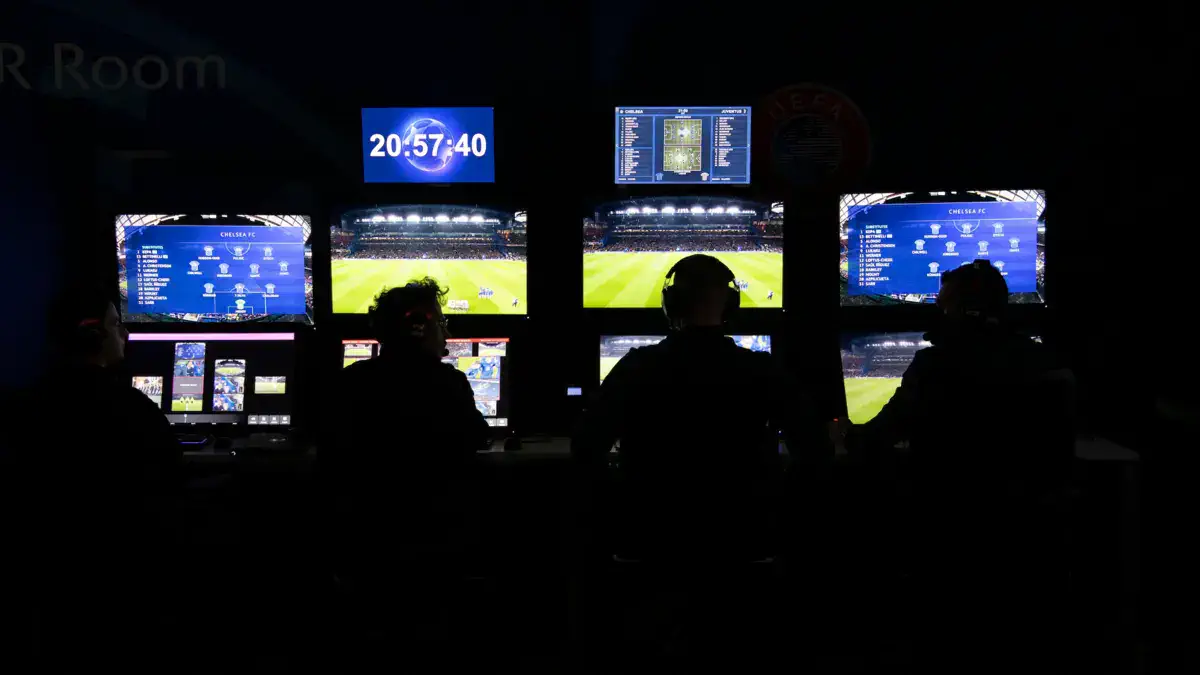
With Clear Line, UEFA aims to harmonize refereeing across Europe and restrict VAR interventions to only truly clear and obvious errors.
UEFA has launched "Clear Line," an open platform designed to standardize refereeing decisions in domestic leagues and its own competitions, including the Champions League and the Europa League.
Speaking to L’Équipe, Roberto Rosetti, UEFA's head of refereeing, presented a tool that compiles over 150 situations with accompanying videos and explanations. The platform will be regularly updated to include new contentious cases.
See also: CAN Futsal 2026: full group draw
When will VAR intervene?
Video assistance will be used in the following situations:
- Goal awarded or disallowed: offside, foul, handball, or the ball going out before the goal.
- Penalty awarded or not awarded: missed foul, wrongly awarded penalty, or an infraction committed outside the box.
- Red card: serious foul play, violent conduct, or a clearly unjustified second yellow card. VAR can overturn a second booking, but cannot request a missed caution.
- Mistaken identity: when a yellow or red card is shown to the wrong player.
- Corner clearly wrongly awarded: but only if it can be corrected immediately, without delaying the restart.
In all cases, the original decision should only be changed if there is a "clear and obvious error" or a major incident missed by the officials.
UEFA wants to restore the original spirit
This approach stands in contrast to what was seen during the 2026 World Cup, where FIFA favored more frequent use of video assistance after expanding VAR's scope.
"VAR does not referee the match. It's only there for clear situations and obvious errors. We want referees with personality and a VAR that is just an occasional aid. We need to preserve the football we love and that our parents loved," Roberto Rosetti told L’Équipe.
The official particularly laments interventions for "microscopic" details. With Clear Line, UEFA wants to reinforce the authority of the main referee, reduce interruptions, and achieve a more consistent interpretation of the laws of the game across Europe.


Europe
Today at 16:17

Europe
Yesterday at 15:42

Africa
23 September 2026

Europe
23 September 2026

Africa
24 September 2026

Africa
24 September 2026

Europe
24 September 2026
AFCON
24 September 2026

Europe
22 September 2026