


World Cup: Germany already preparing its bid for 2038 or 2042
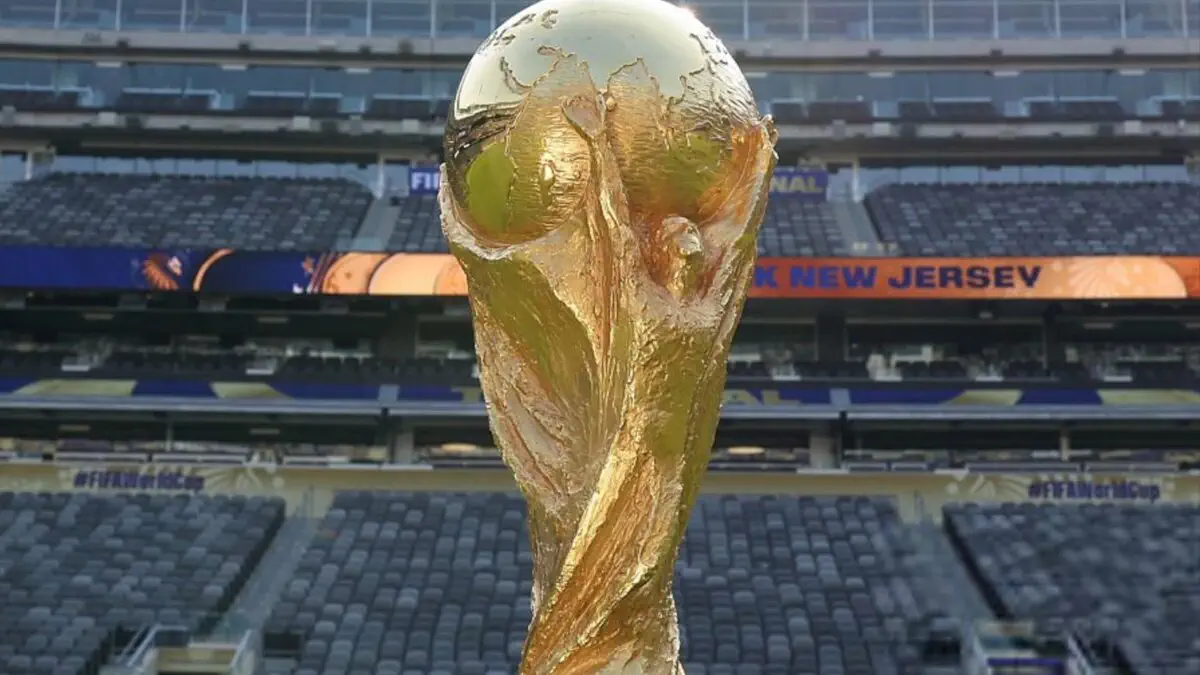
Twenty years after hosting the 2006 World Cup, Germany is seriously considering a return to the global stage. Axel Hellmann, CEO of Eintracht Frankfurt and board member of the German Football Association (DFB), has confirmed that the country is looking into a bid for the 2038 or 2042 men’s World Cup.
In an interview with The Athletic, the executive believes that Germany already has most of the infrastructure needed to host such an event. “We would be delighted to bid. Germany has the stadiums, the transport networks, and the hotel capacity required. Every match would be a sell-out,” he said.
A bid that will depend on FIFA rules
While the DFB is making its ambitions clear, several obstacles remain. FIFA has not yet opened the bidding process for the 2038 and 2042 tournaments, and the rotation principle among confederations could influence the choice of the next host nation.
After the 2030 World Cup, which will be shared by Morocco, Spain, Portugal, Uruguay, Argentina, and Paraguay, and the 2034 edition awarded to Saudi Arabia, the question of European eligibility remains open. However, Axel Hellmann believes the exceptional format of the 2030 tournament could give FIFA some leeway in the interpretation of its rules.
Germany is also not ruling out a joint bid with one or more European partners, though no decision has yet been made.
The legacy of 2006 as an argument
For German officials, the experience of the 2006 World Cup is a major asset. Beyond sporting and organizational success, the tournament helped improve the country's international image and accelerated several infrastructure investments.
Hellmann believes a new edition would allow for the modernization of some stadiums and the further development of public transport, while also generating lasting economic benefits.
FIFA ticket pricing policy under fire
Beyond Germany’s bid, Axel Hellmann was highly critical of FIFA’s ticketing policy for the 2026 World Cup. According to him, high ticket and travel prices created social barriers that kept some fans out of the stadiums.
“Football is the people’s sport. If young people can no longer experience matches live, we risk losing them from the game for good,” he warned.
The German executive is calling for a more accessible pricing policy, inspired by the model of several Bundesliga clubs, where popular tickets are subsidized by revenue from premium services.
These statements have reignited the debate over the future of the World Cup. With the expansion of the competition, rising commercial revenues, and the desire to keep football accessible, FIFA will need to find the right balance. The upcoming bidding processes for the 2038 and 2042 editions could become a new battleground between the global body’s economic ambitions and the expectations of national federations.



Africa
Yesterday at 06:35

World
Yesterday at 03:04

World Cup 2026
25 September 2026

World Cup 2026
24 September 2026

Africa
24 September 2026

Africa
24 September 2026

Europe
24 September 2026

AFCON
24 September 2026

Europe
22 September 2026