
FIFA: Sepp Blatter joins the critics of Infantino's financial strategy
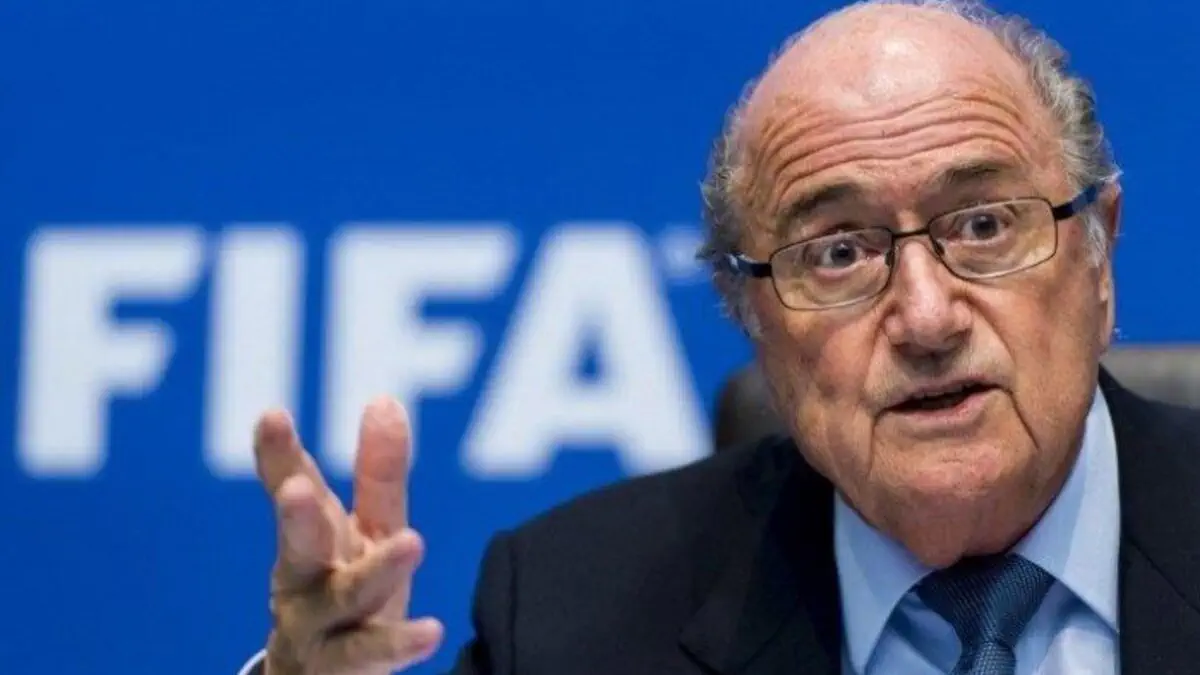
The controversy surrounding FIFA's new economic direction is reaching a new level. After concerns were voiced by several European football stakeholders, including UEFA, it is now Sepp Blatter, the former president of the global governing body, who is openly criticizing the strategy led by his successor Gianni Infantino.
In a statement on X, Blatter condemned the close relationship between the FIFA president and former US President Donald Trump, arguing that their connection now goes beyond institutional boundaries and has taken on a financial dimension that, in his view, could undermine the independence of football.
"The close relationship between the FIFA President and the President of the United States has reached a financial dimension that is deeply damaging football. No one has the right to sell our game," declared the former chief.
This intervention comes as FIFA continues its economic transformation with the FIFA Forward Enterprise project, a new commercial structure designed to further capitalize on revenues generated by major international competitions. The project notably includes the potential opening of capital to private investors—an evolution that is fueling questions about the future governance of the organization.
A criticism echoing UEFA's concerns
Sepp Blatter's comments partly echo concerns already expressed by UEFA. The European body is not only contesting the new competitions launched by Gianni Infantino, such as the 32-team Club World Cup, but is also worried about the increasing concentration of economic power in FIFA's hands.
FIFA, for its part, defends its expansion strategy. Since taking over in 2016, Gianni Infantino has sought to increase the organization's resources in order to provide more funding to national federations and strengthen FIFA's presence in every region of the world.
Opposition goes beyond Infantino's personality
Sepp Blatter's criticism is also symbolic. The former FIFA president remains a controversial figure in world football after leaving office in 2015 amidst the corruption scandal that rocked the organization. His position is therefore viewed with caution, but it speaks volumes about the scale of the debate surrounding FIFA's evolution.
On one side, Gianni Infantino is pushing for a more powerful FIFA, capable of generating greater revenues and investing in global football development. On the other, his critics fear excessive commercialization and growing influence from external economic actors.
What could change
This controversy could ramp up the pressure on FIFA regarding transparency in its new commercial ventures. As the organization prepares to tap into new revenue streams, it will have to convince its partners that these changes serve the development of football rather than particular financial or political interests.
The battle over FIFA Forward Enterprise thus highlights the heart of the conflict between FIFA and UEFA: beyond debates over competitions and scheduling, the fundamental issue at stake is who controls the economic and strategic future of world football.


Europe
Yesterday at 06:04

World Cup 2026
17 September 2026

Ballon d'Or
15 September 2026

Special Reports
15 September 2026

Ballon d'Or
09 September 2026
World Cup 2026
09 September 2026

Africa
20 August 2026

Interviews
14 August 2026