Refereeing decisions failed to reach consensus during the World Cup, according to several observers.
Despite the integration of cutting-edge technology into modern refereeing, mistakes have not disappeared. Worse still, a deep sense of injustice has taken root among several teams participating in the tournament, especially those representing the African continent.
Foot Africa reached out to former Tunisian international referee Amine Barkallah, posing the following question: Was Africa wronged by officiating at the 2026 World Cup?
First of all, it must be acknowledged that refereeing was the weak link in this new edition of the World Cup. It felt as if the rules were not applied uniformly to all teams. Some nations benefited from a certain leniency from referees, despite clear infringements of the laws of the game. Conversely, other national teams, considered underdogs, were severely punished with harsh refereeing decisions, at times bordering on relentless.
It’s clear that officiating during this World Cup was marked by a double standard. The heavyweights of world football enjoyed preferential treatment, while so-called "smaller" nations fell victim to much stricter officiating.
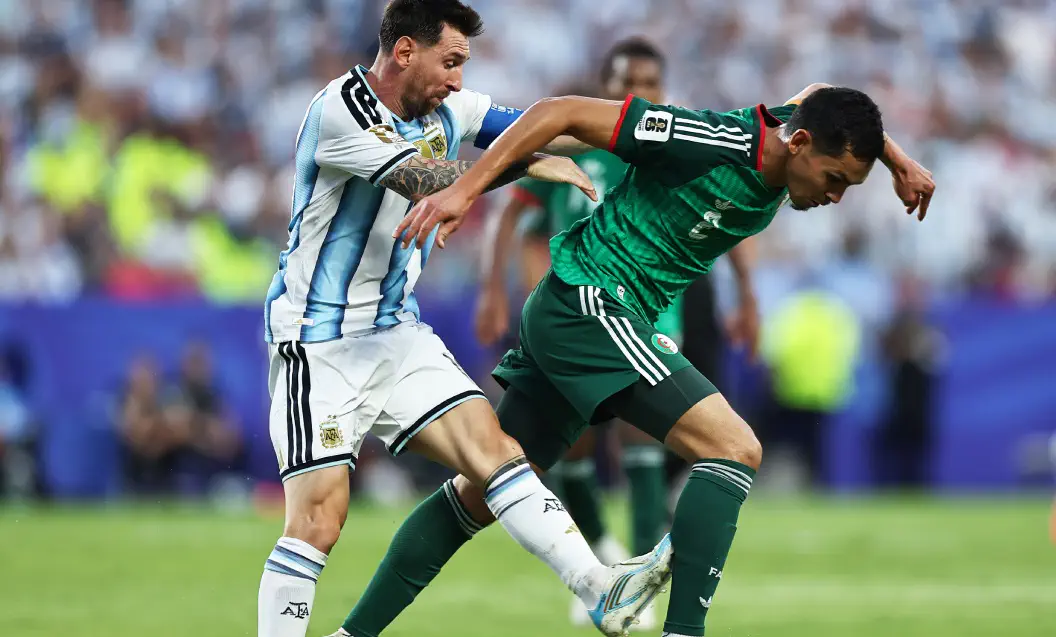
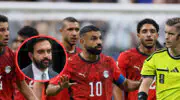
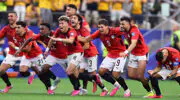
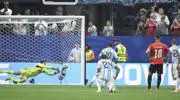
To answer your question, it is evident that African teams were disadvantaged by refereeing during the global tournament. There is no shortage of examples of injustice, starting with the red card not given to Argentina’s Lionel Messi against Algeria, Japan’s opening goal versus Tunisia marred by a blatant foul on Montassar Talbi, Belgium’s equalizer against Senegal (2-2) that followed an illegal challenge, and finally the penalty not awarded to Egypt at the end of their match against Argentina in the round of 16.
I wouldn’t go so far as to say there was a deliberate attempt to prevent African teams from repeating Morocco’s feat in the previous edition. However, it’s clear that with the introduction of advanced technology, referees now have significant discretion in decision-making. They can penalize an action for one team and let a similar situation slide for another. This raises serious questions about the credibility of the 2026 World Cup.
Imed Ben Amara - bilingual sports writer and web editor with experience in football content creation. Since 2021, he has contributed to Foot Africa, providing news coverage and analysis.