


From glory to downfall: the inside story of Tunisia’s World Cup 2026 fiasco
Exclusive


Nothing is going right for the Tunisia national team, who are sinking fast at this World Cup.
Unrecognizable, the Eagles of Carthage have completely missed the mark in this tournament, suffering two heavy defeats against Sweden (1-5) and Japan (0-4).
World Cup 2026: The official and complete group stage schedule
Their mission gets no easier on matchday three, as they are set to face the Netherlands—one of the perennial contenders for the trophy.
Here’s an inside look at Tunisia’s World Cup 2026 fiasco.
A disrupted preparation
Tunisia’s run-up to this major event, the 2026 World Cup, was anything but ideal.
Several players missed the start of training camp, while Louey Ben Farhat, Karlsruher SC’s rising star, opted to skip the tournament just hours before the final 26-man squad was announced.
Even though they played two matches against top European sides, the 2004 AFCON champions didn’t make the most of their training camp in Tabarka, as evident in the tactical and physical shortcomings that have plagued them since the tournament began.
Key veterans left out
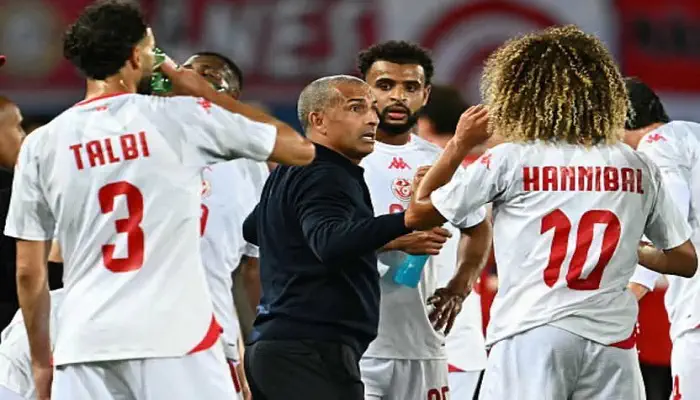
Several seasoned players were left out by former coach Sabri Lamouchi, who chose to bet on young talents such as Adem Arous, Raed Chikhaoui, Khalil Ayari, and Rayan Elloumi…
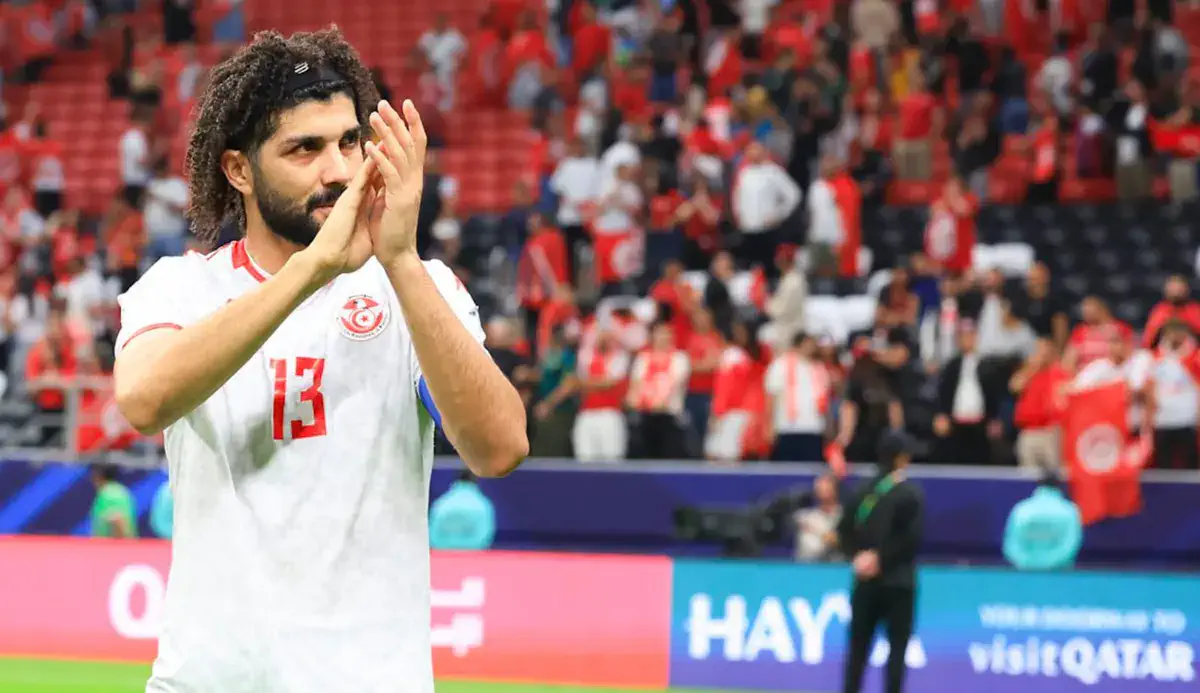
Among those who could have brought valuable experience to the Tunisian squad are goalkeeper Bechir Ben Saied, defender Yassine Meriah, and midfielders Aïssa Laïdouni and Ferjani Sassi.
A divided squad
Tunisia’s lack of team cohesion at this World Cup has had disastrous consequences for their performances.
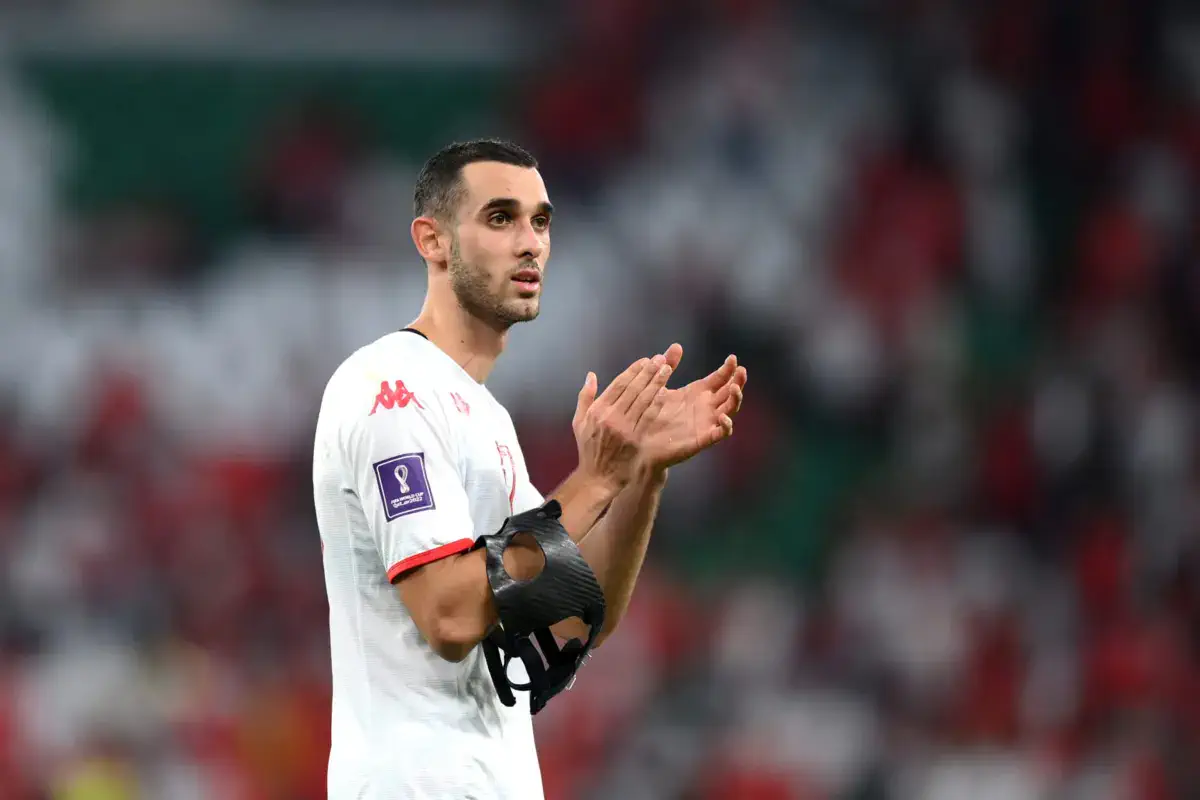
According to multiple sources, former coach Sabri Lamouchi undermined the group’s balance with questionable decisions, notably stripping Ali Abdi of the captain’s armband in favor of Ellyes Skhiri.
The former French international’s miscommunication and lack of tact with his players only made matters worse.
Controversial tactical and technical choices
The former Elephants boss failed to impress in terms of tactics and technical decisions, repeatedly making questionable calls.
The decision to start an inexperienced goalkeeper, Abdel Mouhib Chamkah, at the World Cup proved to be a costly strategic error in the match against Sweden.
Moreover, the adoption of an unfamiliar tactical system (3-5-2) at the World Cup backfired, further undermining the team’s collective cohesion.




Africa
26 June 2026

Africa
26 June 2026


Europe
Yesterday at 15:38

Europe
02 October 2026

Special Reports
02 October 2026

Africa
01 October 2026

Africa
29 September 2026

World
29 September 2026

World Cup 2026
25 September 2026

World Cup 2026
24 September 2026

Interviews
01 October 2026

Africa
24 September 2026

Africa
24 September 2026

Europe
24 September 2026

AFCON
24 September 2026