
AFCON: a return to a two-year cycle takes shape!
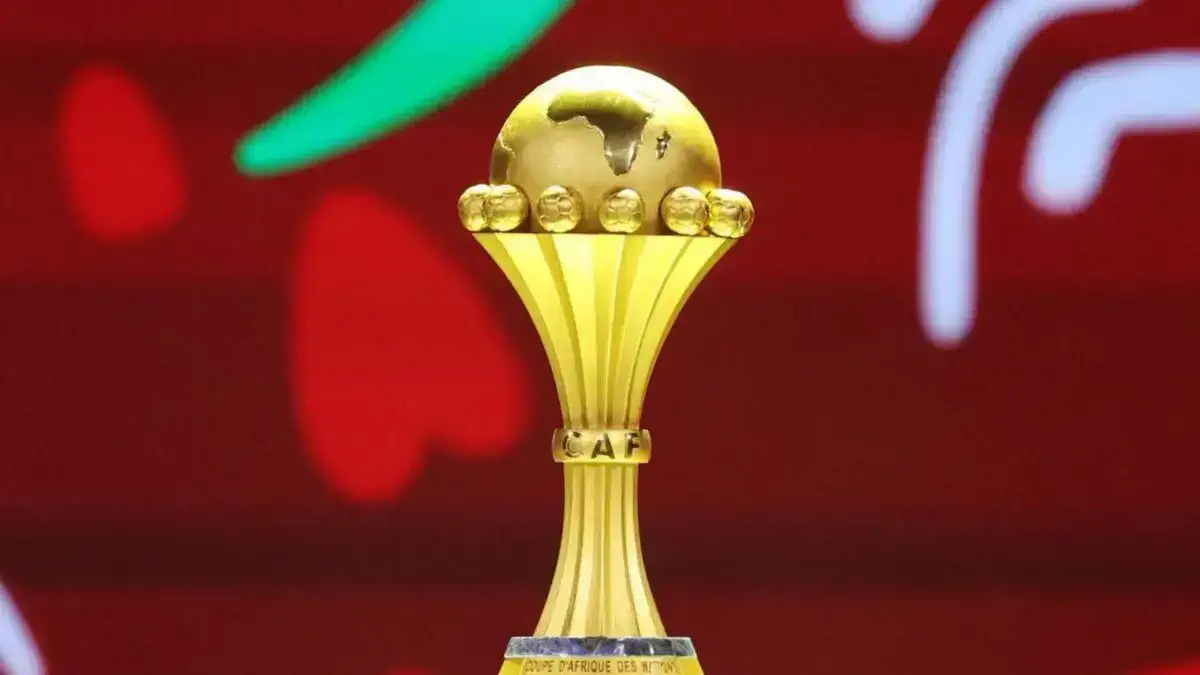
AFCON could return to a two-year cycle. According to Micky Jnr, confirmation is expected from the CAF Executive Committee, although nothing has been made official at this stage.
The project to stage the Africa Cup of Nations every four years could be abandoned. According to information from journalist Micky Jnr, the competition should return to a two-year cycle, with a decision expected at the next meeting of the Confederation of African Football’s Executive Committee.
Confirmation expected from the Executive Committee
In his post, Micky Jnr presents this development as imminent. He also praises Patrice Motsepe for listening to concerns surrounding the tournament’s place in African football. Official confirmation from CAF is still awaited.
The announcement comes after a consultation with the 54 member associations. According to a circular reported by several media outlets, the federations had until Wednesday, October 28, to state their position on whether AFCON should be held every two or every four years.
The four-year cycle called into question
The possible change of direction extends the discussions over restoring the two-year cycle publicly opened by Motsepe in Cape Verde on October 9. The CAF president had then indicated that the competition’s frequency was being reconsidered.
The issue also has an economic dimension. The consultation in question highlights that a new competition, such as the African Nations League being considered, could require several years before generating significant revenue for CAF and its members.
A schedule to be clarified for future editions
A return to a two-year cycle would have consequences for future scheduling. In July, CAF had officially launched the bidding process for the 2028, 2032 and 2036 editions, in line with its four-year plan.
AFCON 2027 is still scheduled to take place in Kenya, Uganda and Tanzania. For subsequent editions, the continental governing body will have to clarify the transition arrangements between the two calendars, particularly with regard to bids that have already been submitted.
Read also: 2030 World Cup: Spain makes things more difficult for Morocco!



Africa
Today at 03:00

Africa
Yesterday at 16:07
Africa
Yesterday at 15:28

Africa
Yesterday at 07:04

Europe
Yesterday at 04:57

Africa
25 October 2026

Exclusive
17 October 2026

Africa
14 October 2026

Europe
12 October 2026