


World Cup 2026: Paraguayan Senator Celeste Amarilla attacks Kylian Mbappe with a racist remark!


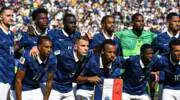
A major storm is brewing in the world of football, and this time it has little to do with what happened on the pitch. Following France's World Cup clash against Paraguay, a shocking tirade from Paraguayan senator Celeste Amarilla has ignited widespread condemnation—targeting none other than French superstar Kylian Mbappé.
The senator's remarks, which quickly circulated across social media and news platforms, were laced with offensive and deeply racist language. She did not hold back in her attack on the French striker, questioning his origins, appearance, and character in a speech that many have since described as disgraceful.
In her address, Amarilla dismissed France's victory as mere luck, while launching a series of personal insults at Mbappé:
“Mbappé? That savage never even learned to write. Instead of drinking his mother's milk, he sucked coconuts, and the most educated beings he ever heard were chimpanzees. A Cameroonian from a former colony who pretends to be French – vindictive, arrogant, and ugly. He was nervous and utterly terrified throughout the match, just like his whole team. They only won because of luck. The only thing you could blame Paraguay for is that no one slapped him at the end of the match.”
The response from the football community was immediate and fierce. Fans, pundits, and anti-racism organizations have condemned the senator's comments as not only unacceptable but inexcusable for a public figure. The remarks have been widely interpreted as a blatant display of racism and xenophobia, casting a dark shadow over what should have been a moment of sporting celebration.
As of now, neither Kylian Mbappé nor representatives from the French Football Federation have issued any public response to the senator's outburst. However, given the gravity of the statements and the growing pressure from all sides, it seems only a matter of time before the football world demands a formal reaction—and perhaps even disciplinary action beyond the political arena.
This incident serves as a stark reminder that, while football often unites nations, it can also become a platform for ugliness when prejudice goes unchecked. The spotlight now turns to both football's governing bodies and diplomatic channels to see whether words alone will suffice—or whether this controversy will carry deeper consequences.



World Cup 2026
05 July 2026

World Cup 2026
04 July 2026

World Cup 2026
04 July 2026
World Cup 2026
04 July 2026

Europe
Yesterday at 12:14

Europe
Yesterday at 10:28

Europe
Yesterday at 09:27

Europe
Yesterday at 08:51

Africa
29 September 2026

World
29 September 2026

World Cup 2026
25 September 2026

World Cup 2026
24 September 2026
Interviews
01 October 2026
Africa
24 September 2026
Africa
24 September 2026

Europe
24 September 2026
AFCON
24 September 2026