
FIFA considers selling stakes in the World Cup!
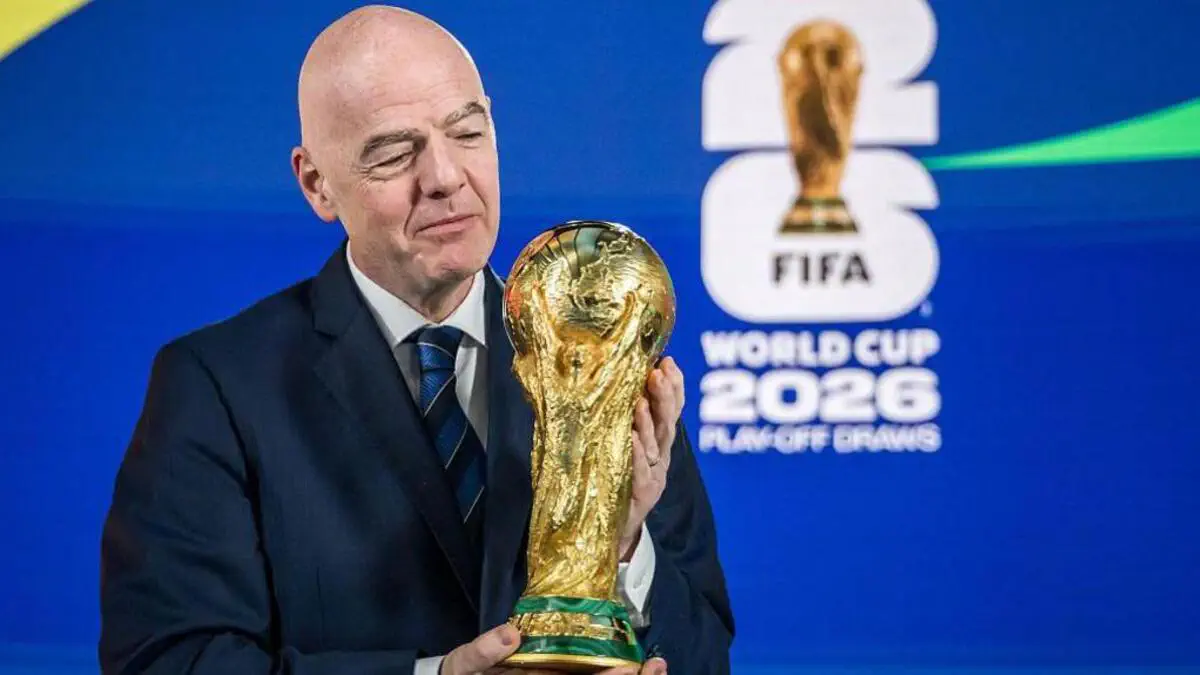
FIFA is looking to open up the capital of a new entity tasked with commercially exploiting its main competitions, including the World Cups.
A company valued at $20 billion
Gianni Infantino officially unveiled his project on Tuesday to create "FIFA Forward Enterprise" (FFE). This new company would bring together the commercial and event activities related to FIFA’s major competitions, including the men’s World Cup, the Women’s World Cup, and the Club World Cup.
First reported by The Times and the Financial Times, the plan sets FFE’s valuation at $20 billion, or roughly €17.3 billion. FIFA hopes to raise up to $4.2 billion as soon as 2026 by selecting long-term investors, who would acquire minority, non-controlling stakes.
The organization claims it would retain control over governance, scheduling, and the sporting organization of the competitions. The capital raised would be used to fund its development programs.
See also: CAF Interclubs: preliminary draw set for August 6 in Cairo
Up to $20 million for each federation
FIFA remains, in legal terms, a non-profit association based in Switzerland and made up of 211 national federations. These federations will need to approve the creation of the new structure.
Each association could receive an exceptional allocation of up to $20 million. This redistribution is a powerful political lever for getting the project approved, especially among federations with limited financial resources.
“This is about democratizing football on a global scale,” defended Gianni Infantino in FIFA’s statement.
Joshua Kushner among the potential investors
JPMorgan is assisting FIFA with structuring the deal. Thrive Eternal, the investment firm launched by Joshua Kushner, is expected to be among the main private investors.
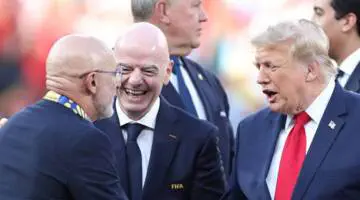
Joshua Kushner is the brother of Jared Kushner, son-in-law of U.S. President Donald Trump. The publicly displayed closeness between Trump and Infantino during the 2026 World Cup has only fueled questions about the potential influence of American political and economic networks.
No investor would officially hold decision-making power over the competitions. However, the identities of future shareholders and the financial benefits they might gain remain at the heart of ongoing concerns.


Africa
10 September 2026

Africa
10 September 2026

Africa
09 September 2026
World Cup 2026
09 September 2026

Ballon d'Or
09 September 2026
World Cup 2026
09 September 2026

Africa
20 August 2026
Interviews
14 August 2026