


World Cup 2026: Argentina, the national team targeted most by hateful messages on social media
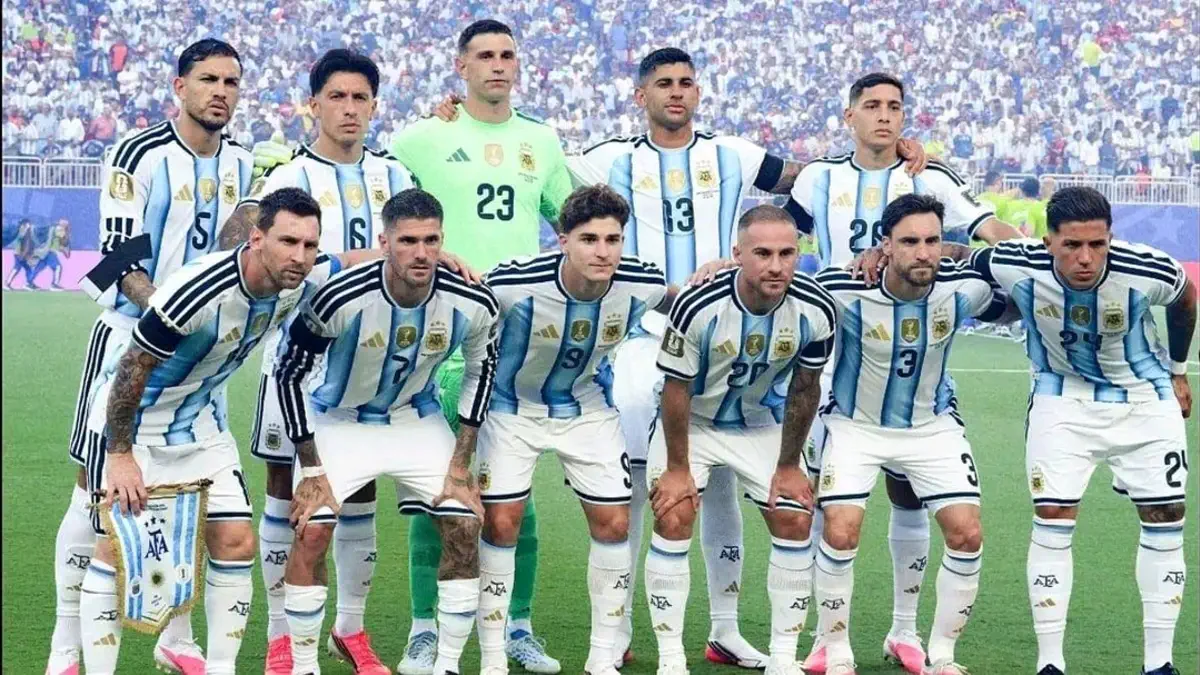
Argentina received more hostile messages than any other national team during the 2026 World Cup, according to a report presented by FIFA on October 9. Allegations of refereeing bias and xenophobic attacks were among the main types of content recorded against La Albiceleste.
Argentina topped the ranking of national teams most targeted by hostile messages on social media during the 2026 World Cup. According to data from FIFA’s Social Media Protection Service (SMPS), reported by the Argentine press, England, Spain, Brazil and Norway also featured among the most targeted teams.
Allegations of refereeing bias were one of the main drivers of the attacks against La Albiceleste. Internet users accused FIFA, the referees and the video assistant referee (VAR) of giving preferential treatment to the Argentine team. Xenophobic comments also accompanied these accusations.
The report covers the period from June 9 to July 20, 2026. The SMPS examined more than 17.1 million social media posts and comments. Following an initial automated screening, 477,000 items underwent human review. Of these, 240,000 were identified as abusive.
Argentine players targeted less than those of some other national teams
The ranking changes when the analysis focuses on individual players. Argentine footballers ranked fourth among the squads most targeted, behind those of France, England and Portugal, according to data reported by Infobae.
Racism accounted for a significant share of the individual attacks. One player, whose identity was not made public in the report summary, received more than 10,000 verified abusive messages. Around 40% of this content was racist. The player was also targeted with homophobic, sexist and transphobic insults.
Across the tournament as a whole, racist content accounted for 20% of the abuse classified under discriminatory categories, excluding general insults. This proportion stood at 11% during the group stage. Threats of violence accounted for 14% of the recorded cases, while xenophobic attacks represented 12%.
Read also: Argentina: Lionel Messi’s latest moving message
Referees particularly exposed to threats
Officials were subjected to a significant share of the most serious attacks. Suspicions of corruption and match-fixing in particular fueled messages directed at them. Some were also victims of doxing attempts, a practice involving the disclosure of personal information to facilitate harassment.
To combat this abuse, FIFA deployed its automated moderation system on its official platforms and the channels of the participating federations. The tool analyzed 60.7 million messages and blocked 9.2 million before they were publicly posted, representing 15% of the interactions examined by the system.
The report’s judicial section states that 2,905 accounts could be subject to a criminal investigation. FIFA referred 786 of them to police authorities for review. Among these accounts, 232 contained particularly serious and threatening material that could pose a genuine risk to safety.
The publication of these data on October 9 came on the eve of World Mental Health Day. FIFA emphasizes that online abuse can affect the psychological well-being of players, coaches, referees and their relatives.



Europe
Yesterday at 05:00

Special Reports
08 October 2026
World
08 October 2026

World
08 October 2026

World
08 October 2026

Africa
07 October 2026

Africa
29 September 2026

World
29 September 2026

Interviews
06 October 2026
Europe
05 October 2026
Interviews
01 October 2026
Africa
24 September 2026
Africa
24 September 2026